Customer intelligence for independent brands
Explore your market.
Before you make your product.
Simulate how virtual customers respond to your product across prices, regions and audiences. Turn what you learn into visible product changes.
Virtual customers · AI profiles, not real people
Everyday commuters
Creative professionals
Considered gift buyers
AI hypothesis
Everyday commuters
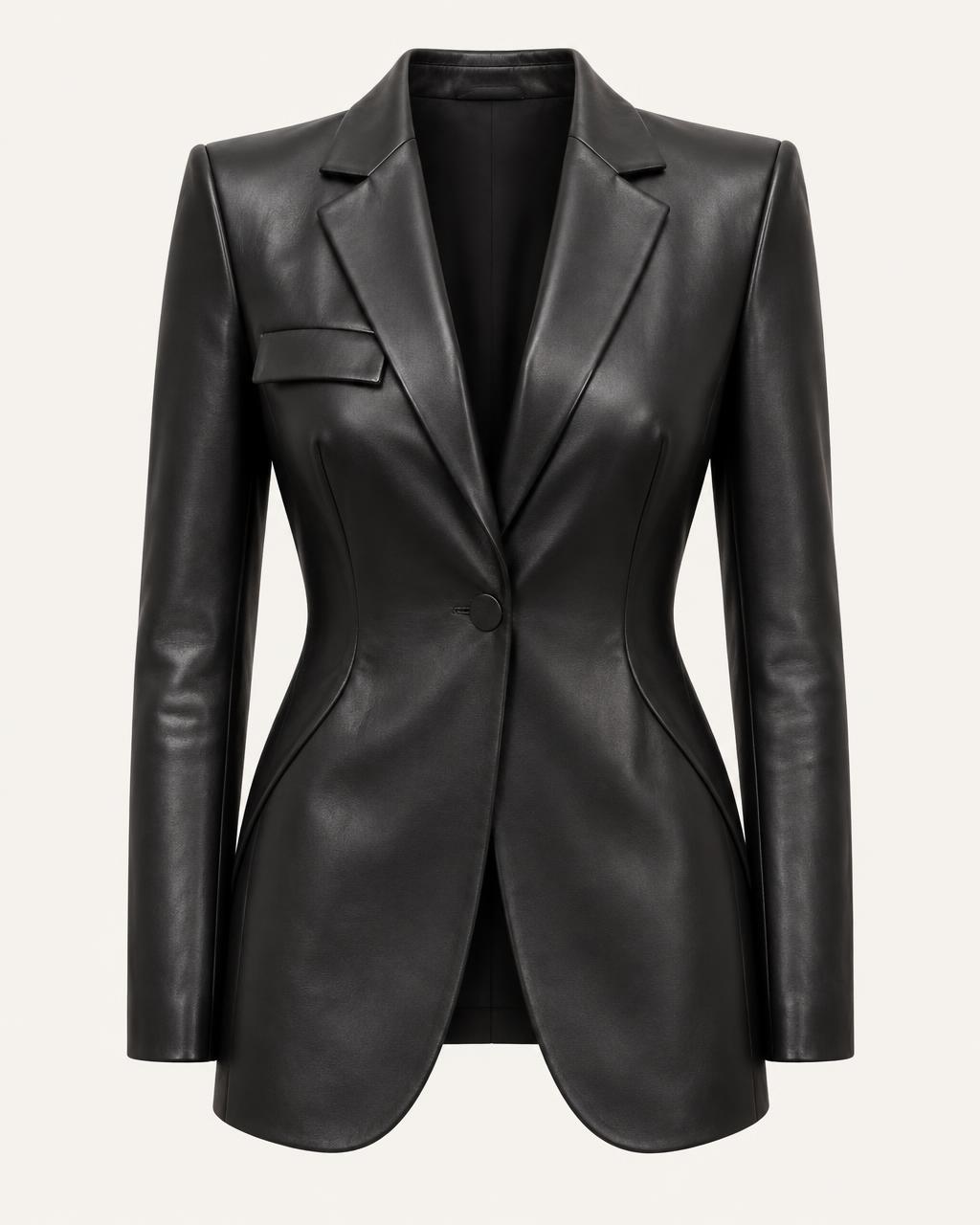
Potential barrier: bulky pockets for daily wear.
Explore next: a flatter pocket construction.
Values easy layering and a clean front.
Original Proposed: Flat welt pocket — informed by “Everyday commuters”Prepared example. Hypotheses, not customer quotes.
Start from your idea and your customers.
Bring your product idea, any brand evidence you have — past sales, reviews, lookbooks — and choose who you want to reach. That context shapes every exploration.
- Your idea, sketch or existing product
- Brand evidence you choose to share
- Selected audiences and markets
One dress, from idea to revised design.
- 01
Start with your idea. Add your market.
Type a prompt, add a reference and set who it is for. These are your inputs, not research findings.

“A sculptural black velvet column dress for evening.”
 reference-moodboard.jpg
- Audience
- Urban commuters, 25–40
- Market
- United States
- Intended price
- $240–$290
Illustrative project inputs
- 02
Change the details that matter.
Select a detail and describe the change. The rest of the garment stays as it is.
 BodiceInstruction
Soften the pointed bodice wing into a rounded fold.
- 03
Test the design in context.
Choose a version, an audience, a market and a price. Every test shows its method.
Test setupIllustrative example- Version
- V2 · rounded bodice fold
- Audience
- Urban commuters, 25–40
- Market
- United States
- Price
- $260
MethodAI simulationReal-customer researchNo test was run for this example.
- 04
Turn feedback into your next design.
Open the highlighted change to see the insight behind it and decide what to do next.
Try it with your own product idea.
A design you can take forward.
Illustrative exampleA proposal for your team to review. Not a guaranteed bestseller or a production-ready technical specification.
OriginalProposedChanged details
- BodicePointed wing → Rounded fold
- Front silhouetteDramatic, architectural → Softer, more wearable
Version history
See what changed—and why.
Illustrative exampleEvery insight carries its source and stays attached to the version it refers to.
- AI simulation
An estimate of how your target audience might react. A quick, early signal, not real customer behaviour.
“A softer bodice may feel easier to wear for a full evening.”
Attached toV2 · rounded bodice fold - Merchant hypothesis
A belief from your team, recorded so it can be tested.
“Our customers want drama that still lets them sit comfortably.”
Attached toV1 · original concept - Historical sales association
What sold alongside a detail in your uploaded sales. Shows correlation, never cause.
“Velvet eveningwear sold more often in your past winter ranges.”
Attached toBrand context - Real-customer feedback
Responses from actual people, shown with the tested version, audience, participant count and date.
“No real-customer test has been run for this example.”
Attached to—
Build on what your brand already knows.
Your context informs how Serai explores and evaluates each product. Today you add it by manual upload; there are no live store integrations yet.
- Past sales
- Upload a CSV of past sales to inform estimates.
- Merchandising notes
- Add notes on price, range and positioning.
- Customer feedback
- Upload reviews or survey exports.
- Design references
- Add images, sketches and design files.
Questions
How do I start?
Describe a product idea or add an image on this page and select “Create my first concept”. After creating an account, add your revenue goal and target market, and your first concept opens in the design workspace.
Can I upload an existing design?
Yes. JPG, PNG and WEBP images open as your first concept. PDF, SVG and 3D files (GLB, GLTF, OBJ, FBX) are attached for reference.
What is the difference between AI simulation and real-customer testing?
An AI simulation estimates how your target audience might react. It is a quick, early signal, not evidence. Real-customer feedback comes from actual people. Serai labels every insight with its source so the two are never confused.
Can I change specific details?
Yes. Select a detail on the product, such as a pocket or collar, and describe the change. Serai creates an alternative that keeps the rest of the garment the same.
Can I keep and compare earlier versions?
Yes. Every change is saved as a new version with its reason, and you can compare any version side by side.